
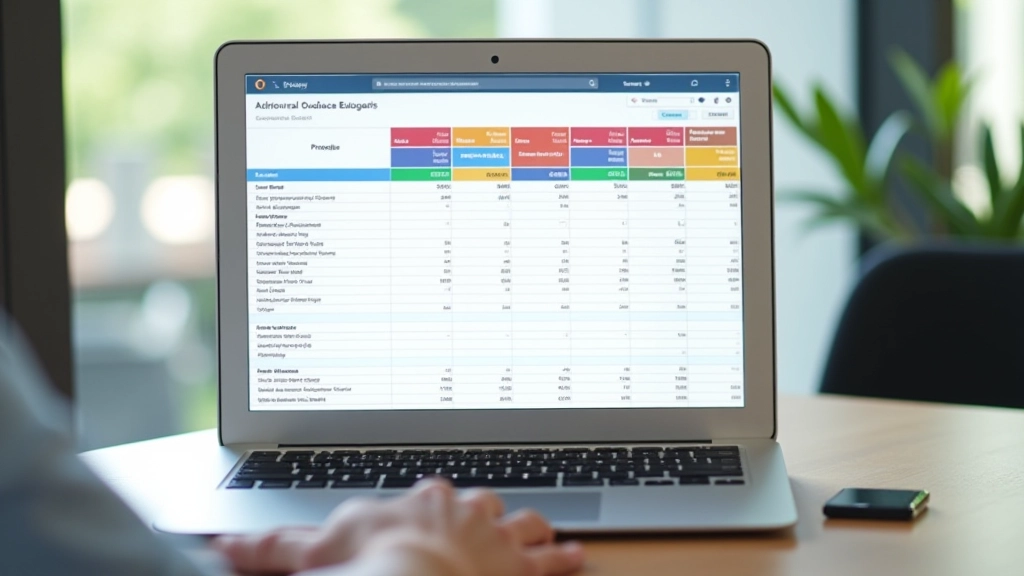
Fixed vs Variable Costs: The Essential Distinction
Learn to separate your necessary monthly expenses from discretionary spending. This foundation makes tracking and planning infinitely easier.
Read MoreMaster practical monthly spending frameworks, track fixed versus variable costs, and plan your family’s financial future with confidence.
Whether you’re new to budgeting or looking to refine your approach, we’ve gathered essential guides on expense tracking, the Belanjawanku framework, and strategies that work for Malaysian families managing real household finances.

Practical articles to help you take control of your household spending
Learn to separate your necessary monthly expenses from discretionary spending. This foundation makes tracking and planning infinitely easier.
Read More
Discover practical frameworks for organizing your household budget. These methods are simple to set up and don’t require complicated apps or spreadsheets.
Read More
Explore how Belanjawanku helps Malaysian families understand healthy spending patterns. We break down the framework and show you how to apply it at home.
Read More
Build a family budget that everyone understands and can follow. Real strategies from families managing multiple incomes, dependents, and long-term goals.
Read MoreThese fundamentals apply regardless of your income level or family size
Before you can budget effectively, you need to know where your money’s actually going. Spend a month recording every expense — groceries, utilities, subscriptions, everything. This gives you real numbers to work with instead of guesses.
Needs are non-negotiable: rent, electricity, food, insurance. Wants are everything else. This distinction isn’t about deprivation — it’s clarity. Once you see the split, you can make smarter decisions about discretionary spending.
Emergency savings don’t happen overnight. Start with one week of expenses in reserve, then aim for a full month. Even small, consistent contributions add up. When unexpected costs appear — and they will — you’re covered.
Your first budget won’t be perfect. That’s fine. Check it monthly against actual spending, then make bigger adjustments every three months. Life changes — your budget should too. Flexibility keeps it realistic and sustainable.
Answers to help you get started or improve your current approach
For irregular income, focus on your average monthly earnings over the past year rather than single months. Budget based on the lower estimate, then treat extra months as opportunities to build savings. This approach keeps you stable during slower periods without overspending during peaks.
Transparency is essential. Have regular money conversations — monthly reviews work well. Decide together which expenses are shared and which are individual. Some couples use a combined account for household bills and separate accounts for personal spending. There’s no single right way; what matters is that both people feel heard and involved in decisions.
Absolutely. A simple notebook works fine. Write down income, list fixed expenses, track variable spending, and keep a running total. The act of writing forces you to pay attention. Some families prefer envelopes with cash, others use bank statements. Pick the method you’ll actually use consistently.
Start with whatever you can manage — even 5% of income is better than zero. As your budget stabilizes, aim to increase this gradually. The 50/30/20 guideline suggests 50% for needs, 30% for wants, and 20% for savings and debt repayment. Your situation is unique, so adjust based on your priorities and circumstances.